UPMC: Minimally Invasive Brain Surgery

Ranked among America's Best Hospitals by U.S. News & World Report

Minimally Invasive Brain Surgery for Children

Send to a Friend
Share This Page

Experience, Expertise, and Specialized Care for Children

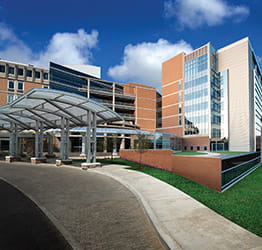
Surgeons at UPMC have pioneered two minimally invasive alternatives to open brain surgery. Our multidisciplinary team of neurosurgeons, otolaryngologists, and ophthalmic surgeons is among the most experienced in the world in using these surgical techniques for patients of all ages — including pediatric patients. In addition, the vibrant new Children’s Hospital of Pittsburgh of UPMC offers a state-of-the-art neurosurgical suite that was designed especially for these procedures.

Endoscopic Endonasal Approach (EEA)

The Endoscopic Endonasal Approach may be used to reach tumors and lesions at the base of the skull — such as angiofibromas, pituitary tumors, arteriovenous malformations (AVMs), and others — by operating through the natural corridor of the nose and nasal sinuses. UPMC pioneered and refined this technique over the past decade, and is recognized as a world leader. More than 2,000 patients, including 100 children, have benefited from EEA surgery at UPMC and Children’s Hospital of Pittsburgh.

Benefits of EEA Surgery for Children

  • No facial incisions or disfigurement
  • No disruption of growth plates
  • Less trauma to the brain and critical nerves
  • Fewer side effects
  • Faster recovery time than traditional surgery

A study published by UPMC physicians in the Journal of Neurosurgery found EEA to be a safe and effective minimally invasive technique for children, with few complications.

Read abstract from Journal of Neurosurgery

Learn more about EEA

Neuroendoport® Surgery

Neuroendoport® Surgery may be used to reach tumors and lesions deep in the brain, such as gliomas, juvenile pilocytic astrocytomas (JPAs), colloid cysts, and others. The Neuroendoport, developed at UPMC, allows doctors to operate through a narrow tube — the circumference of a dime — to reach tumors with minimal trauma to the surrounding brain. This technique may be used for tumors within the substance of the brain (parenchyma), or within the fluid filled spaces (ventricles).

Benefits of Neuroendoport Surgery for Children

Depending on your child’s condition, Neuroendoport surgery may offer benefits over traditional open surgery. These benefits may include:

  • Tiny incision and minimal scarring
  • Less manipulation of brain and critical nerves
  • Possibility of fewer side effects and complications
  • Possibility of faster recovery time than traditional surgery

Learn more about Neuroendoport

Contact Us

How can we help you?

Phone Numbers:

1-877-986-9862 (within the U.S.)
For international calls: 01-877-320-8762


The new Children’s Hospital of Pittsburgh of UPMC features a state-of-the-art neurosurgical suite, colorful private rooms with sleeping space for parents, and a warm, welcoming atmosphere throughout. At Children’s Hospital, your child is cared for by a team of experienced pediatric specialists in a facility designed especially for young patients.


Learn more about Children’s Hospital of Pittsburgh of UPMC

Conditions We Treat

Haley Spitznagel

Patient Stories:

Meet Haley Spitznagel

Doctors first thought Haley Spitznagel was suffering from migraine headaches, but it turned out to be something more serious.

Read Haley's Story »

Watch Haley's Story »

Travis Stangroom

Patient Stories:

Meet Travis Stangroom

When Travis needed surgery for a juvenile pilocytic astrocytoma, his family saw the benefits of minimally invasive Neuroendoport surgery.

Read Travis's Story »

Matthew Carls

Patient Stories:

Meet Matthew Carls

UPMC surgeons performed an extraordinary, nine-hour surgery that allowed this average 10-year-old to return to the everyday fun of being a kid.

Read Matthew's Story »